
Equalizing your ears is an essential skill for scuba diving, especially when exploring the magical underwater world of cenotes. These freshwater sinkholes often have varying depths that require frequent pressure adjustments to ensure a safe and comfortable experience. Equalizing pressure in your ears prevents discomfort and potential injuries, like barotrauma, which can occur due to rapid changes in water pressure.

For cenote diving, mastering ear equalization becomes even more critical due to the unique geological features and enclosed spaces. This blog will guide you through the best techniques to equalize your ears effectively and offer tips to make the process smoother. By understanding these methods, you’ll not only protect your ears but also enhance your overall diving experience.
Why Equalizing Pressure Matters
When diving, the pressure around you increases as you descend, causing a difference between the pressure outside your ears and the pressure inside. This imbalance can lead to discomfort, muffled hearing, or even pain. Equalizing your ears adjusts this pressure, allowing for a smooth and pain-free dive.
Cenote diving often involves frequent depth changes, especially when navigating through caverns or exploring geological formations. This means divers need to equalize more frequently compared to open-water dives. Proper equalization not only protects your ears but also ensures you can focus on enjoying the serene beauty of cenotes.

Equalize Early and Often
The most important rule when equalizing during cenote diving is to start before you even begin to descend. Begin the equalization process while still on the surface, just before submerging. By doing this, you can open your Eustachian tubes and prepare your ears for the pressure changes that will occur as you go deeper. Starting early reduces the risk of pressure building up too quickly, making it easier to equalize throughout the dive.
Equalizing often is key to a comfortable descent. Divers are encouraged to equalize every few feet, even if they do not feel immediate discomfort. Waiting too long can make it harder to equalize later, leading to more pressure buildup. If you feel pain or discomfort, pause your descent, equalize again, and only continue once the pressure has subsided. Regular equalization helps prevent ear injuries and allows you to maintain focus on the beautiful cenote surroundings.

The Valsalva Maneuver
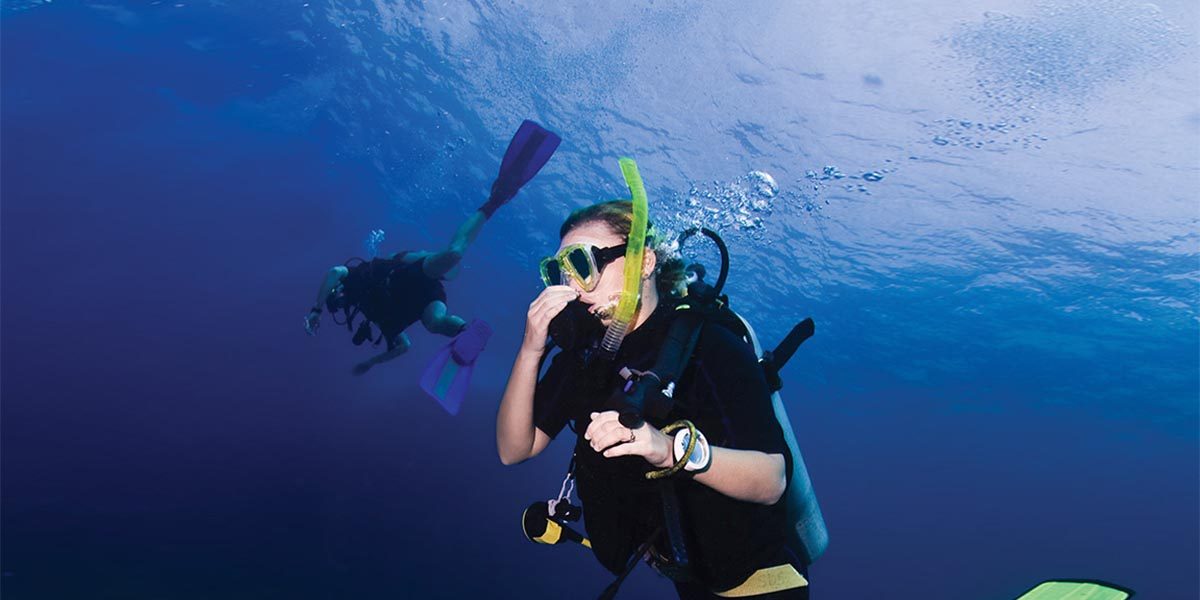
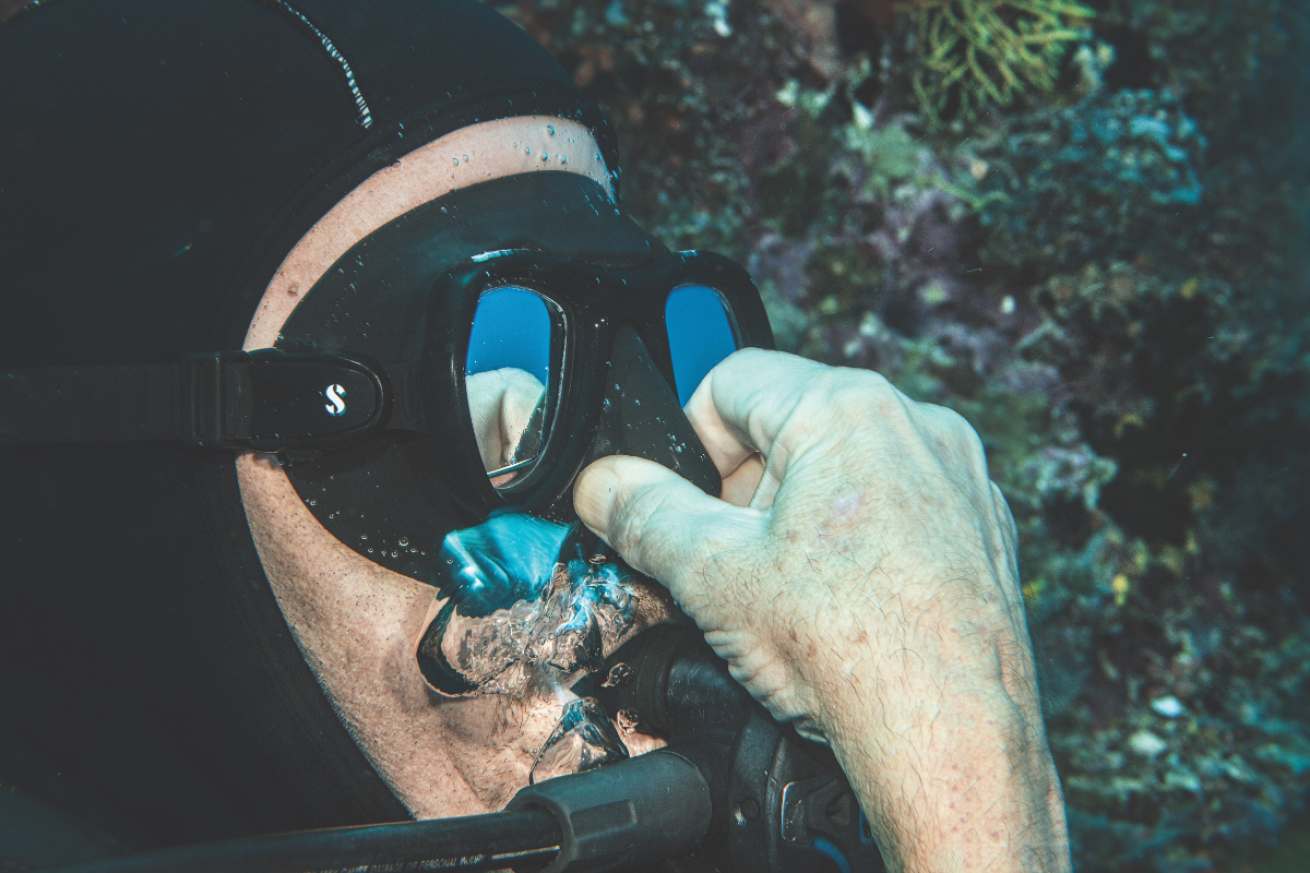
One of the most common and straightforward methods for equalizing your ears is the Valsalva Maneuver. To perform it, pinch your nose shut, close your mouth, and gently blow air as if you were blowing your nose. This forces air into your Eustachian tubes, equalizing the pressure in your middle ear.
While the Valsalva Maneuver is effective for most divers, it’s essential to perform it gently. For cenote diving, where depth changes can be sudden, overdoing this technique could damage your eardrums. Always equalize early and often, starting even before you feel discomfort.
The Toynbee Maneuver
The Toynbee Maneuver offers another simple way to equalize your ears. Pinch your nose shut and swallow simultaneously. This action opens your Eustachian tubes and balances the pressure between your inner and outer ear.
This technique works well for divers who struggle with the Valsalva Maneuver or prefer a quieter, more subtle method. It’s particularly useful in cenotes, where maintaining a calm and controlled demeanor is key to enjoying the dive.
The Frenzel Technique
The Frenzel Technique is a bit more advanced but highly effective, especially for divers who descend quickly. It involves closing your vocal cords, pinching your nose, and using your tongue to push air into your Eustachian tubes. This method requires practice but offers a gentle and controlled way to equalize.
For cenote diving, the Frenzel Technique can be invaluable, especially when exploring deeper cenotes like The Pit. Its precision minimizes the risk of over-pressurizing your ears, making it a favorite among diving experts.
Pre-Dive Preparations for Easier Equalization
Preparing your ears before the dive can make equalization much easier. Start by yawning or swallowing frequently in the hours leading up to your dive. This helps keep your Eustachian tubes open and flexible. Chewing gum or sucking on hard candy can also stimulate these motions.
For cenote divers, staying hydrated is equally important. Dehydration can make your mucous membranes dry and inflamed, making it harder to equalize. Drink plenty of water before your dive and avoid caffeine or alcohol, which can contribute to dehydration.

When to Use Decongestants
If you’re prone to nasal congestion, using a decongestant can make a significant difference in your ability to equalize. Over-the-counter options like nasal sprays or antihistamines can help clear your nasal passages and Eustachian tubes, making equalization easier. However, always consult a doctor before using them, as some may cause drowsiness or other side effects.
For cenote diving, where depth changes can be frequent, decongestants can be a game-changer. Just make sure to use them responsibly, and never dive if you’re experiencing severe congestion or illness that could compromise your safety.
Equalizing your ears is a fundamental skill that every diver must master to ensure a safe and enjoyable experience. For cenote diving, where unique conditions require frequent depth adjustments, proper equalization becomes even more crucial. Techniques like the Valsalva, Toynbee, and Frenzel Maneuvers offer effective ways to manage pressure changes, while pre-dive preparations and, if needed, decongestants can make the process even smoother.
By prioritizing ear equalization, divers can focus on exploring the breathtaking underwater landscapes of cenotes without discomfort or worry. The serene beauty of these freshwater sinkholes is best experienced with a calm mind and body, free from the distractions of ear pain or pressure issues.
So, as you plan your next cenote diving adventure, remember these tips to equalize effectively. With proper preparation and technique, you can dive confidently, knowing you’re equipped to handle any challenges. Enjoy the wonders of cenote diving, and let the experience inspire a deeper appreciation for the underwater world!


